

Introduction
In today's modern world, the demand for reliable and efficient power transmission systems is ever-growing. This is particularly true in underwater environments, where traditional power cables are not suitable due to the harsh conditions they face. Submersible power cables have emerged as a solution to this challenge, offering a reliable and durable way to transmit power underwater. In this comprehensive guide, we will explore the technology behind submersible power cables, their applications, advantages, and key considerations for their installation.
1. What are Submersible Power Cables?
Submersible power cables are specially designed cables that are used to transmit electrical power in underwater environments. These cables are engineered to withstand the unique challenges posed by submersion in water, such as pressure, temperature variations, and corrosive elements. They are typically used in applications such as underwater power distribution, offshore renewable energy projects, subsea oil and gas installations, and underwater research facilities.
2. Construction of Submersible Power Cables
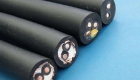
Submersible power cables are constructed using high-quality materials that are chosen for their durability and resistance to water and other environmental factors. The key components of a submersible power cable include:
- Conductor: The conductor is the core component of the cable that carries the electrical current. It is typically made of copper or aluminum for optimal conductivity.
- Insulation: The insulation material surrounds the conductor and provides electrical insulation to prevent leakage of current. Common insulation materials used in submersible power cables include cross-linked polyethylene (XLPE) and ethylene propylene rubber (EPR).
- Protective Layer: A protective layer is added to the cable to shield it from external elements such as water, chemicals, and physical damage. This layer is usually made of materials like polyethylene or polyvinyl chloride (PVC).
- Armoring: In some cases, submersible power cables may be armored with materials such as steel wire or aluminum to provide additional protection against mechanical stress and pressure.
3. Applications of Submersible Power Cables
Submersible power cables find a wide range of applications across various industries and sectors. Some common applications include:
- Offshore Wind Farms: Submersible power cables are used to transmit electricity generated by offshore wind turbines back to shore for distribution to the grid.
- Subsea Oil and Gas Installations: These cables are employed to power subsea oil and gas production equipment, such as pumps, compressors, and control systems.
- Underwater Research Facilities: Submersible power cables are used to provide power to underwater research facilities, such as observatories, sensors, and communication systems.
- Submarine Power Transmission: These cables are utilized for submarine power transmission projects, such as interconnecting power grids between different countries.
4. Advantages of Submersible Power Cables
Submersible power cables offer several distinct advantages over traditional power transmission systems when operating in underwater environments. Some of the key advantages include:
- Durability: Submersible power cables are designed to withstand harsh underwater conditions, including high pressures, temperature variations, and exposure to corrosive elements.
- Reliability: These cables are engineered for long-term performance and reliability, making them ideal for critical applications where downtime is not an option.
- Efficiency: Submersible power cables offer low electrical losses and high transmission efficiency, ensuring that power is delivered to the intended destination with minimal wastage.
- Flexibility: These cables can be customized to meet specific project requirements, including varying lengths, voltage ratings, and environmental conditions.
- Cost-Effectiveness: While the initial investment in submersible power cables may be higher than traditional cables, their long lifespan and low maintenance requirements make them a cost-effective solution in the long run.
5. Key Considerations for Installing Submersible Power Cables
When installing submersible power cables, several important considerations must be taken into account to ensure optimal performance and safety. Some key considerations include:
- Environmental Conditions: Understanding the specific environmental conditions, such as water depth, temperature variations, and presence of corrosive elements, is crucial for selecting the right type of cable and materials.
- Cable Sizing: Proper sizing of the cables based on the power requirements and distance of transmission is essential to prevent overheating and voltage drop issues.
- Installation Method: The method of installation, whether direct burial, trenching, or laying on the seabed, should be chosen based on the project requirements and environmental factors.
- Maintenance: Regular inspection and maintenance of submersible power cables are necessary to detect any potential issues early and prevent costly downtime.
- Regulatory Compliance: Adhering to relevant industry standards and regulations for submersible power cable installation is essential to ensure safety and compliance with legal requirements.
Conclusion
Submersible power cables play a critical role in enabling the efficient and reliable transmission of electrical power in underwater environments. With their durable construction, high performance, and wide range of applications, these cables have become essential components in various industries, including offshore energy, oil and gas, and underwater research. By understanding Tinned copper power cable behind submersible power cables, their advantages, and key considerations for installation, stakeholders can make informed decisions when implementing power transmission projects in underwater settings.